Stress Management: Finding Your Calm in the City That Never Sleeps
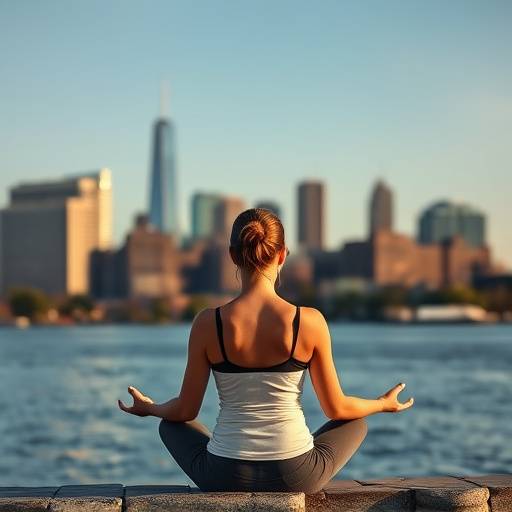
In bustling Boston, life can feel like a constant race against time. Deadlines, commutes, and social obligations can all contribute to stress and anxiety. At Vitality Hub, we understand the challenges of maintaining wellbeing in a fast-paced environment. That's why we've compiled a comprehensive guide to help you manage stress and anxiety, find your inner peace, and thrive in the heart of New England.
Understanding Stress and Anxiety
Stress is a natural response to demanding situations, but chronic stress can negatively impact your physical and mental health. Anxiety, characterized by persistent worry and unease, can be equally debilitating. Recognizing the symptoms of stress and anxiety is the first step towards effective management. These symptoms can manifest as:
- Headaches and muscle tension
- Fatigue and difficulty sleeping
- Irritability and mood swings
- Difficulty concentrating
- Changes in appetite
- Digestive issues
If you experience these symptoms frequently, it's important to seek professional help from a therapist or counselor. Vitality Hub can connect you with trusted mental health professionals in the Boston area.
Effective Stress Management Techniques
There are numerous strategies you can implement to manage stress and anxiety. Here are some proven techniques to incorporate into your daily routine:
Mindfulness Meditation
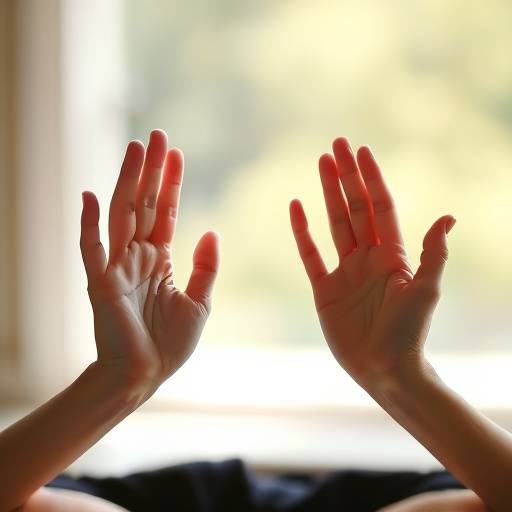
Mindfulness meditation involves focusing on the present moment without judgment. By paying attention to your breath, body sensations, and thoughts, you can cultivate a sense of calm and reduce mental clutter. There are many guided meditation apps and online resources available. Try a 5-minute meditation each morning to start your day with clarity.
Deep Breathing Exercises
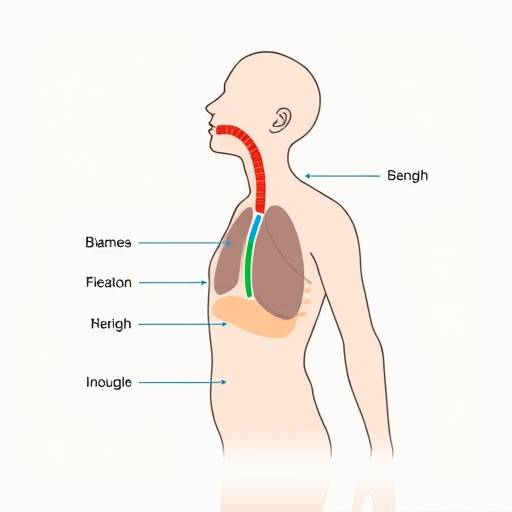
Deep, diaphragmatic breathing can activate the parasympathetic nervous system, which promotes relaxation. Try the 4-7-8 technique: inhale deeply through your nose for 4 seconds, hold your breath for 7 seconds, and exhale slowly through your mouth for 8 seconds. Repeat this several times when you feel stressed.
Regular Exercise
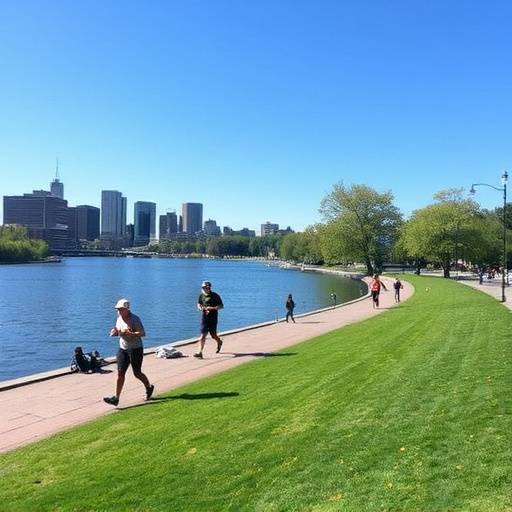
Physical activity is a powerful stress reliever. Exercise releases endorphins, which have mood-boosting effects. Aim for at least 30 minutes of moderate-intensity exercise most days of the week. Whether it's a brisk walk in the Boston Public Garden, a bike ride along the Charles River, or a workout at a local gym, find an activity you enjoy.
Time Management Strategies
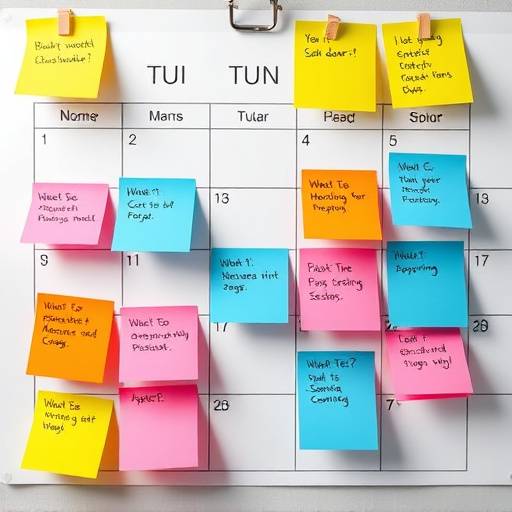
Poor time management can contribute to stress and overwhelm. Prioritize tasks, break large projects into smaller steps, and learn to say no to unnecessary commitments. Use tools like calendars, to-do lists, and project management apps to stay organized. The Pomodoro Technique (working in focused 25-minute intervals followed by a short break) can also be helpful.
Social Connection
Connecting with loved ones can provide emotional support and reduce feelings of isolation. Make time for social activities, such as meeting friends for coffee, joining a book club, or volunteering in your community. Talking about your stressors with trusted individuals can offer valuable perspective and relief.
Creative Expression

Engaging in creative activities, such as painting, writing, playing music, or crafting, can be a healthy outlet for emotions and a distraction from stressors. Find a creative outlet that resonates with you and dedicate time to it regularly. The South End Arts District offers numerous opportunities to explore your artistic side.
Spending Time in Nature

Studies show that spending time in nature can reduce stress hormones and improve mood. Take advantage of Boston's many parks and green spaces, such as the Arnold Arboretum or the Blue Hills Reservation. Even a short walk in a park can make a difference.
Progressive Muscle Relaxation

This technique involves tensing and relaxing different muscle groups in your body, one at a time. Start with your toes and work your way up to your head. This can help you become more aware of tension in your body and release it. Many guided progressive muscle relaxation recordings are available online.
"The greatest weapon against stress is our ability to choose one thought over another." - William James, Harvard University Professor
Lifestyle Adjustments for Stress Reduction
In addition to specific techniques, making certain lifestyle adjustments can significantly reduce stress and anxiety:
- Prioritize Sleep: Aim for 7-9 hours of quality sleep per night. Create a relaxing bedtime routine and optimize your sleep environment.
- Nourish Your Body: Eat a balanced diet rich in fruits, vegetables, and whole grains. Avoid processed foods, excessive caffeine, and alcohol. Consider consulting a nutritionist at Vitality Hub for personalized guidance.
- Limit Screen Time: Excessive screen time can contribute to eye strain, sleep disturbances, and anxiety. Set boundaries for technology use, especially before bed.
- Practice Gratitude: Regularly reflect on the things you are grateful for. This can shift your focus from negative thoughts to positive ones. Keep a gratitude journal or simply take a few moments each day to appreciate the good things in your life.
When to Seek Professional Help
While self-help strategies can be effective for managing mild to moderate stress and anxiety, it's important to seek professional help if your symptoms are severe, persistent, or interfering with your daily life. A therapist or counselor can provide personalized support, teach coping skills, and address underlying issues contributing to your stress and anxiety.
Vitality Hub offers referrals to qualified mental health professionals in the Boston area who can provide cognitive behavioral therapy (CBT), dialectical behavior therapy (DBT), and other evidence-based treatments for stress and anxiety.
Vitality Hub - Cambridge Office: 100 Main Street, Suite 200, Cambridge, MA 02142 | Phone: (617) 555-WELL (9355) | Email: [email protected]