The Importance of Personal Hygiene for Optimal Wellbeing
At Vitality Hub, located in the heart of vibrant Austin, Texas, we believe that personal hygiene is more than just cleanliness – it's a cornerstone of overall health and wellbeing. Proper hygiene practices can prevent the spread of germs, protect you from illnesses, and contribute significantly to your physical and mental health. Ignoring personal hygiene can lead to various health problems, from minor skin irritations to serious infections. This page serves as your guide to understanding and implementing effective hygiene practices in your daily life.
Why is Personal Hygiene Important?
Personal hygiene plays a vital role in preventing the spread of infectious diseases. Simple habits like washing your hands regularly can significantly reduce the risk of contracting common illnesses like colds, flu, and gastrointestinal infections. Good hygiene also helps maintain a healthy appearance, boosts self-esteem, and promotes social acceptance. Neglecting hygiene, on the other hand, can lead to body odor, skin problems, and an increased susceptibility to infections.
Health Benefits of Good Hygiene
- Reduced risk of infections: Consistent handwashing and proper wound care significantly decrease the chances of infections.
- Improved oral health: Regular brushing and flossing prevent tooth decay, gum disease, and bad breath.
- Prevention of skin problems: Clean skin is less likely to develop acne, rashes, and other skin irritations.
- Enhanced self-esteem: Feeling clean and fresh can boost confidence and improve social interactions.
- Social acceptance: Maintaining good hygiene prevents body odor and promotes positive social interactions.
Essential Hygiene Practices
Handwashing: The First Line of Defense
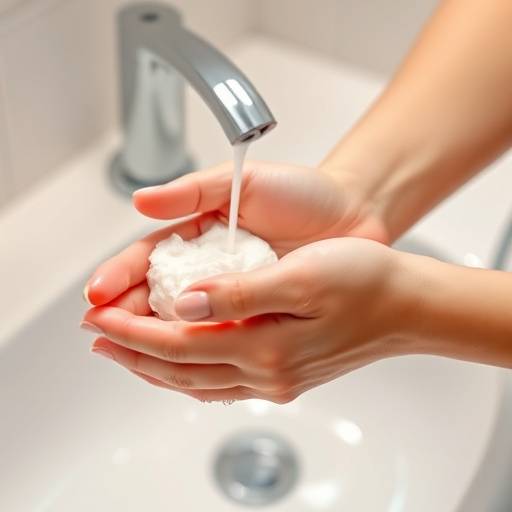
Handwashing is arguably the most important hygiene practice. Wash your hands thoroughly with soap and water for at least 20 seconds, especially after using the restroom, before preparing food, after touching surfaces in public places, and after coughing or sneezing. Imagine you've just visited Zilker Park and touched the Barton Springs pool railings – handwashing is a must! Use an alcohol-based hand sanitizer (at least 60% alcohol) when soap and water aren't available. Proper handwashing technique involves wetting hands, applying soap, lathering thoroughly, rinsing under running water, and drying with a clean towel or air dryer.
Oral Hygiene: Maintaining a Healthy Smile
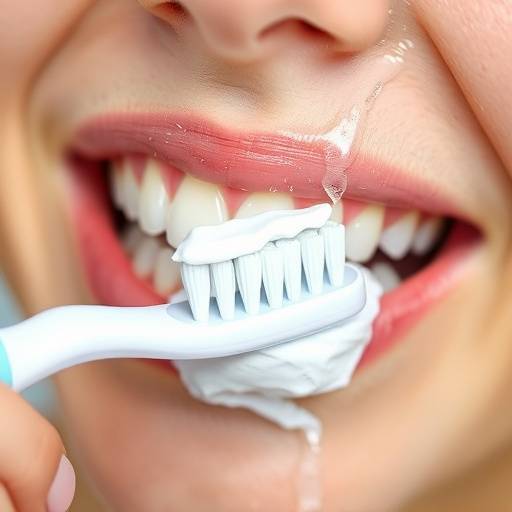
Brush your teeth at least twice a day, preferably after meals, using a fluoride toothpaste. Floss daily to remove plaque and food particles from between your teeth. Consider using mouthwash to kill bacteria and freshen your breath. Regular dental check-ups are also crucial for maintaining optimal oral health. Dr. Anya Sharma at Austin Dental Wellness recommends scheduling a cleaning every six months.
Bathing and Showering: Keeping Your Body Clean
Shower or bathe regularly, ideally daily, to remove dirt, sweat, and dead skin cells. Use a mild soap that is gentle on your skin. Pay attention to areas prone to sweat and odor, such as your armpits and groin. After bathing, dry yourself thoroughly, especially in skin folds, to prevent fungal infections.

Nail Care: Preventing Infections
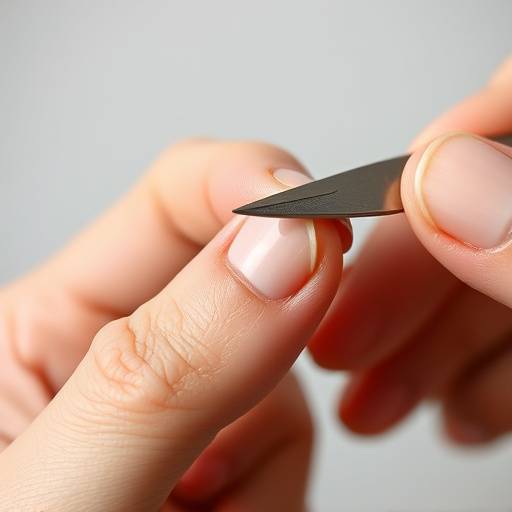
Keep your nails clean and trimmed to prevent the accumulation of dirt and bacteria. Trim your nails straight across and avoid cutting them too short, which can lead to ingrown nails. Clean your nails regularly with a nail brush to remove any debris.
Hair Care: Maintaining Clean and Healthy Hair
Wash your hair regularly, as often as needed based on your hair type and lifestyle. Use a shampoo and conditioner that are suitable for your hair type. Brush your hair regularly to remove tangles and distribute natural oils. Avoid sharing combs, brushes, and hats to prevent the spread of lice or fungal infections.

Foot Care: Preventing Foot Problems
Wash your feet daily with soap and water, paying attention to the spaces between your toes. Dry your feet thoroughly, especially between the toes, to prevent fungal infections like athlete's foot. Wear clean socks and shoes that allow your feet to breathe. Change your socks daily, or more often if your feet sweat excessively. Avoid walking barefoot in public places to minimize the risk of infections.

Menstrual Hygiene: Important Considerations
For women, menstrual hygiene is crucial. Change sanitary pads or tampons regularly, typically every 4-8 hours, depending on flow. Wash your hands before and after changing menstrual products. Dispose of used products properly. Consider using menstrual cups as a more sustainable and cost-effective option.
Hygiene Tips for Specific Situations
Traveling
When traveling, be especially mindful of hygiene. Carry hand sanitizer and use it frequently, especially when touching surfaces in airports, train stations, and public transportation. Avoid drinking tap water in areas where the water quality is questionable. Be careful about the food you eat, and choose reputable restaurants. Pack your own toiletries to avoid sharing with others.
Public Spaces
In public spaces, avoid touching your face as much as possible. Use a tissue or your sleeve when coughing or sneezing. Avoid sharing personal items, such as water bottles and towels. Wipe down gym equipment before and after use. Wear appropriate footwear in public showers and locker rooms to prevent fungal infections.
Workplace Hygiene
Maintain good hygiene in the workplace to prevent the spread of illness among colleagues. Wash your hands frequently, especially after using shared equipment. Clean your desk and computer keyboard regularly. Avoid sharing food and drinks with coworkers. If you're feeling sick, stay home to avoid infecting others.
Hygiene and Mental Wellbeing
Good personal hygiene can have a positive impact on mental wellbeing. Feeling clean and fresh can boost self-esteem and improve mood. Taking care of your appearance can also make you feel more confident and presentable. Conversely, neglecting hygiene can lead to feelings of shame, anxiety, and social isolation.
“Taking care of your body is intrinsically linked to taking care of your mind,” says Dr. Ben Carter, a wellbeing consultant at Vitality Hub. “When you prioritize hygiene, you’re not only preventing illness, but you’re also fostering a sense of self-respect and control.”
Creating a Hygiene Routine
Establishing a consistent hygiene routine is key to maintaining good health. Start by identifying your personal hygiene needs and setting realistic goals. Make hygiene practices a regular part of your daily schedule. Use reminders, such as alarms or sticky notes, to help you stay on track. Reward yourself for sticking to your routine. Enlist the support of friends or family to help you stay motivated.
Resources and Further Reading
For more information on personal hygiene, consult these resources:
- Centers for Disease Control and Prevention (CDC): www.cdc.gov
- World Health Organization (WHO): www.who.int
- American Academy of Dermatology: www.aad.org
Vitality Hub is committed to providing you with the information and resources you need to achieve optimal wellbeing. By incorporating these hygiene practices into your daily life, you can protect your health, enhance your self-esteem, and improve your overall quality of life. Remember, small changes can make a big difference in your health journey. We encourage you to start implementing these tips today and experience the benefits of good personal hygiene.
If you have any questions or concerns about personal hygiene, please contact us at [email protected] or call us at (512) 555-WELL. Our office is located at 123 Wellness Way, Austin, TX 78704.
© 2026 Vitality Hub. All rights reserved.