The Fundamentals of Healthy Eating
Welcome to Vitality Hub's nutrition guide, your resource for understanding and implementing healthy eating habits. We believe that nutrition is the cornerstone of wellbeing, influencing everything from energy levels to mood and long-term health.
This guide is designed to provide practical, actionable advice, tailored for the diverse lifestyles of Montrealers. We address common nutritional challenges, offer solutions for busy schedules, and highlight the importance of mindful eating.
Understanding Macronutrients and Micronutrients
A balanced diet consists of macronutrients (carbohydrates, proteins, and fats) and micronutrients (vitamins and minerals). Each plays a vital role in maintaining optimal health.
- Carbohydrates: The body's primary source of energy. Choose complex carbohydrates like whole grains, fruits, and vegetables over refined sugars and processed foods.
- Proteins: Essential for building and repairing tissues. Include lean meats, poultry, fish, beans, lentils, and tofu in your diet.
- Fats: Important for hormone production and nutrient absorption. Opt for healthy fats like those found in avocados, nuts, seeds, and olive oil.
- Vitamins and Minerals: Crucial for various bodily functions. A diverse diet rich in fruits and vegetables ensures you get the necessary micronutrients.
It's important to understand the recommended daily intake of each nutrient based on your age, sex, activity level, and overall health. Consider consulting with a registered dietitian for personalized recommendations.
Building a Balanced Plate
Creating balanced meals doesn't have to be complicated. Follow these guidelines to ensure you're getting the right nutrients:
- Fill half your plate with fruits and vegetables: Choose a variety of colors to maximize nutrient intake.
- Fill one-quarter of your plate with lean protein: Opt for baked or grilled options over fried.
- Fill one-quarter of your plate with whole grains: Brown rice, quinoa, and whole-wheat bread are excellent choices.
- Add healthy fats: Include a source of healthy fats like avocado, nuts, or seeds.
Remember to drink plenty of water throughout the day. Hydration is essential for overall health and wellbeing. In Montreal's climate, staying hydrated is even more important.
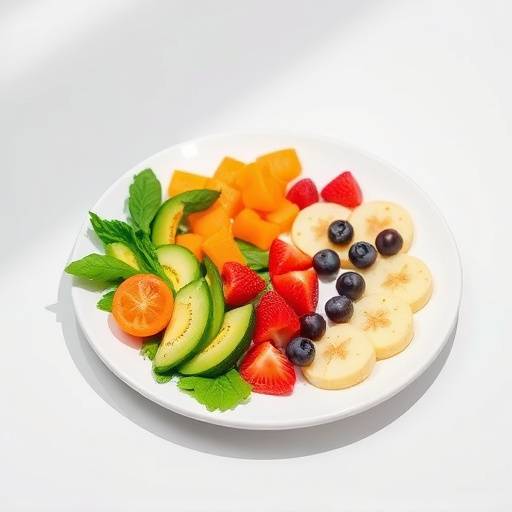
Superfoods: Fact vs. Fiction
The term "superfood" is often used to describe nutrient-rich foods with potential health benefits. While certain foods may offer unique advantages, it's important to maintain a balanced perspective.
Examples of nutrient-dense foods often considered "superfoods" include:
- Berries: Rich in antioxidants and vitamins.
- Leafy Greens: Excellent source of vitamins, minerals, and fiber.
- Salmon: High in omega-3 fatty acids.
- Nuts and Seeds: Good source of healthy fats, protein, and fiber.
- Avocados: Rich in healthy fats and potassium.
While these foods can contribute to a healthy diet, they should not be seen as a replacement for a balanced and varied eating pattern. Focus on incorporating a wide range of nutritious foods into your meals.
Navigating Dietary Restrictions and Preferences
Many individuals have dietary restrictions or preferences due to allergies, intolerances, or ethical considerations. Vitality Hub offers guidance on navigating these challenges and ensuring you're still meeting your nutritional needs.
Common dietary considerations include:
- Vegetarianism and Veganism: Emphasize plant-based sources of protein, iron, and vitamin B12.
- Gluten Intolerance (Celiac Disease): Choose gluten-free grains, fruits, vegetables, and lean proteins.
- Lactose Intolerance: Opt for lactose-free dairy products or plant-based alternatives.
- Allergies: Carefully read food labels and avoid cross-contamination.
Working with a registered dietitian can help you create a personalized meal plan that meets your specific dietary needs and preferences.
Meal Planning and Preparation Tips
Effective meal planning and preparation can significantly improve your eating habits and save you time and money. Here are some practical tips:
- Plan your meals in advance: Create a weekly meal plan based on your dietary needs and preferences.
- Make a shopping list: Stick to your list to avoid impulse purchases.
- Prepare ingredients ahead of time: Chop vegetables, cook grains, and portion out snacks.
- Cook in batches: Prepare larger quantities of meals and freeze leftovers for future use.
- Pack your lunch: Avoid unhealthy takeout options by bringing your own lunch to work or school.
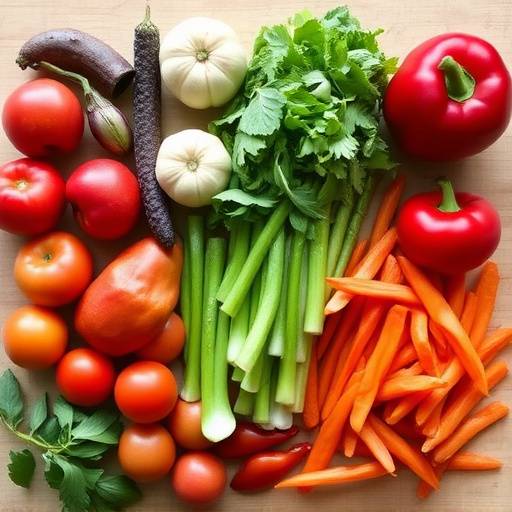
For inspiration and guidance, consider signing up for Vitality Hub's meal planning workshop, led by nutritionist Isabelle Dubois.
Mindful Eating Practices
Mindful eating involves paying attention to your food, your body's hunger and fullness cues, and your emotional state. It can help you develop a healthier relationship with food and improve your overall wellbeing.
Practice these mindful eating techniques:
- Eat slowly and savor each bite: Pay attention to the taste, texture, and aroma of your food.
- Eliminate distractions: Turn off the TV and put away your phone while eating.
- Listen to your body's hunger and fullness cues: Eat when you're hungry and stop when you're satisfied.
- Avoid emotional eating: Find alternative ways to cope with stress and negative emotions.
By practicing mindful eating, you can develop a greater awareness of your eating habits and make healthier choices.
Hydration: The Forgotten Nutrient
Water is essential for virtually every bodily function. Staying adequately hydrated can improve energy levels, cognitive function, and overall health.
Aim to drink at least 8 glasses of water per day. Increase your fluid intake during exercise or in hot weather. In Montreal's winters, indoor heating can lead to dehydration, so be extra mindful of your water intake.

Other sources of hydration include fruits, vegetables, and herbal teas. Avoid sugary drinks and excessive caffeine consumption.
Seeking Professional Guidance
If you have specific nutritional concerns or health conditions, consider consulting with a registered dietitian or nutritionist. They can provide personalized advice and help you develop a customized meal plan.
Vitality Hub offers consultations with experienced nutritionists, including Marie-Claire Tremblay, who specializes in sports nutrition, and David Chen, focusing on weight management. Contact us to schedule an appointment.
Vitality Hub Nutrition Center
123 Rue Sainte-Catherine Ouest, Suite 500
Montreal, QC H3B 1A5
Phone: 514-555-1212
Email: [email protected]